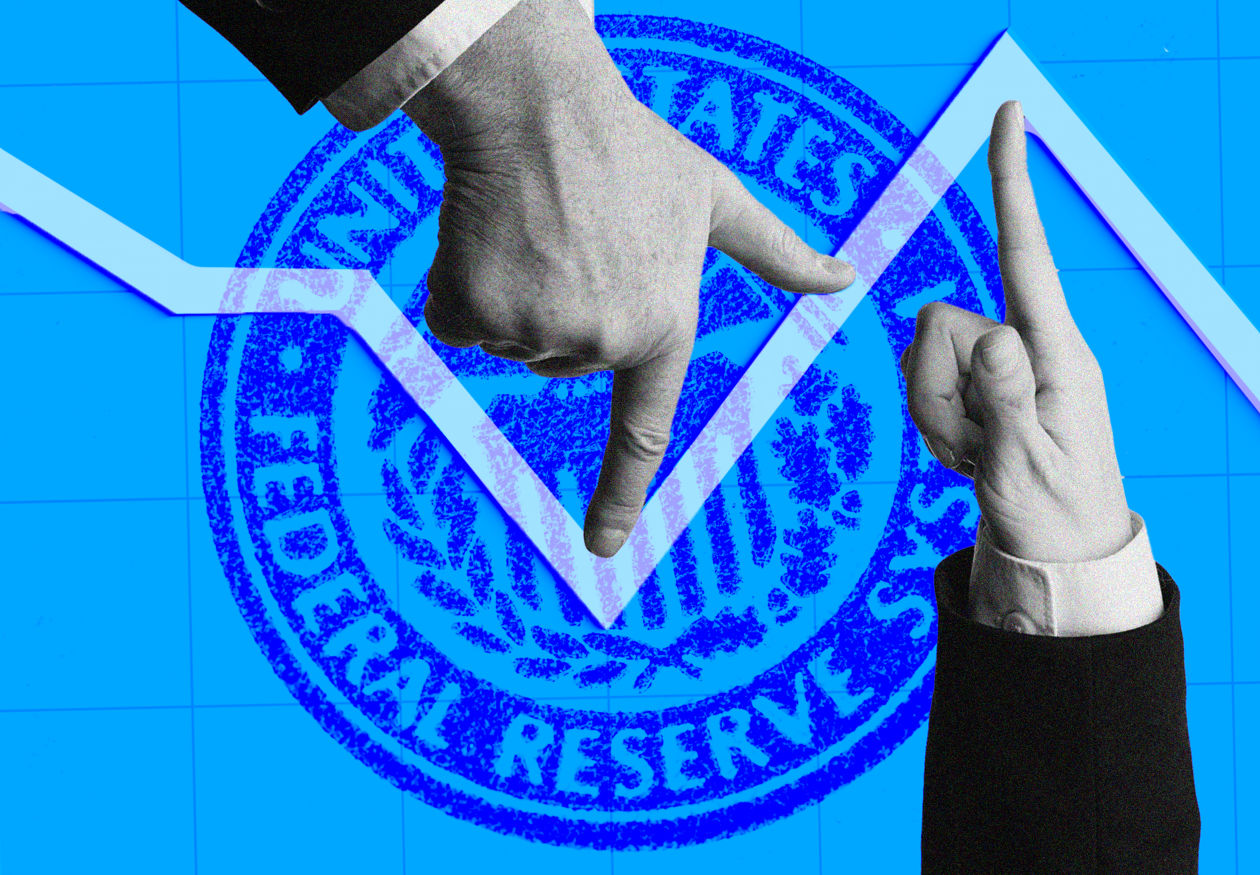

Interest rates are in the news again because the Fed is expected to cut its main interest rate tomorrow. But what does that really mean for you? Let’s break it down in simple terms.1️⃣

Dated: December 10 2025
Views: 396
Interest rates are in the news again because the Fed is expected to cut its main interest rate tomorrow. But what does that really mean for you? Let’s break it down in simple terms.
The Fed rate, officially called the federal funds rate, is the interest rate banks charge each other for short-term loans. Think of it like the base rate for the economy — when it changes, it influences how expensive it is for banks to borrow money.
Lower Fed rate → cheaper for banks to borrow → can encourage more lending.
Higher Fed rate → more expensive for banks → can slow borrowing and spending.
But here’s the key: mortgage rates don’t follow the Fed directly.
Treasury bonds are loans investors give to the U.S. government. When you buy one, the government promises to pay interest over time.
Mortgage rates are heavily influenced by the 10-year Treasury bond yield, not the Fed rate. Here’s why:
Investors compare mortgage-backed securities (the loans banks give out) to Treasury bonds.
If Treasury yields go up, lenders want more return on mortgages → mortgage rates rise.
If Treasury yields go down, mortgage rates may drop.
You might think a Fed rate cut automatically lowers mortgage rates, but that’s not always the case.
When the Fed cuts rates, investors might worry about inflation or a faster economy.
To protect their returns, they demand higher yields on Treasury bonds.
Higher Treasury yields → lenders charge higher mortgage rates, even after a rate cut.
So a Fed cut can actually make mortgages more expensive sometimes — surprising, right?
Rates might drop slightly, making your monthly payment smaller.
Rates could stay the same or rise → lock in a rate if you’re buying soon.
Adjustable-rate mortgages (ARMs) may react more directly to Fed changes, but fixed-rate loans follow Treasury yields.
Lower rates can attract more buyers.
But if rates rise after a Fed cut, buyer demand might not change much.
Your home value depends more on local supply and demand than the Fed’s decision.
Fed rate cuts are big news for the economy, but mortgage rates mostly follow Treasury yields, not the Fed. Rates can go down, stay the same, or even rise after a cut — so it’s best to watch the market and talk to a lender about your options.
📩 Have questions about what this means for buying, selling, or refinancing? I’m here to help!
Interest rates are in the news again because the Fed is expected to cut its main interest rate tomorrow. But what does that really mean for you? Let’s break it down in simple terms.1️⃣
Starting January 1, 2025, Missouri will no longer charge state tax on something called capital gains.🧾 What are Capital Gains?A capital gain is the money you make when you sell something for more
Your Local Guide to 4th of July Celebrations Around Kansas CityBy Briana Colón Can you believe the 4th of July is right around the corner? If you're looking for fireworks, family,
Top Things to Do in Kansas City This Spring (April–May 2025)Kansas City is buzzing with events this spring, from art festivals and concerts to sports and family-friendly fun. Here's your
 The information displayed on this page is confidential, proprietary, and copyrighted information of Heartland Multiple Listing Service, Inc. (
Heartland MLS
). Copyright 2026, Heartland Multiple Listing Service, Inc. Heartland MLS and Hargrave Realty Professionals do not make any warranty or representation concerning the timeliness or accuracy of the information displayed herein. In consideration for the receipt of the information on this page, the recipient agrees to use the information solely for the private noncommercial purpose of identifying a property in which the recipient has a good faith interest in acquiring. Data last updated on September 27, 2026 1:55 PM UTC
33. Required DMCA Notice
The Digital Millennium Copyright Act of 1998, 17 U.S.C. §512, the DMCA, provides recourse for copyright owners who believe that material appearing on the Internet infringes their rights under U.S. copyright law. If you believe in good faith that any content or material made available in connection with our website or services infringes your copyright, you (or your agent) may send us a notice requesting that the content or material be removed, or access to it blocked. Notices must be sent in writing by email to DMCAnotice@MLSGrid.com. The DMCA requires that your notice of alleged copyright infringement include the following information: (1) description of the copyrighted work that is the subject of claimed infringement; (2) description of the alleged infringing content and information sufficient to permit us to locate the content; (3) contact information for you, including your address, telephone number and email address; (4) a statement by you that you have a good faith belief that the content in the manner complained of is not authorized by the copyright owner, or its agent, or by the operation of any law; (5) a statement by you, signed under penalty of perjury, that the information in the notification is accurate and that you have the authority to enforce the copyrights that are claimed to be infringed; and (6) a physical or electronic signature of the copyright owner or a person authorized to act on the copyright owners behalf. Failure to include all of the above information may result in the delay of the processing of your complaint.
